Slimzol ingredients explained: chromium and plant extracts
A plain-language tour of the ingredients named in the Slimzol product information: chromium picolinate and six plant extracts, with where each plant comes from.
- Chromium is listed as chromium picolinate, 7 mcg per 1 ml serving (20% of the Daily Value).
- The plant extract blend names six plants, with amounts not listed in the material we reviewed.
- The full Supplement Facts panel is printed on the bottle label.
- Customer support can share details about the blend.
A short list you can read in one sitting
One of the nicest things about a clear label is how quickly you can read it. The product information we reviewed for Slimzol names two parts: chromium and a plant extract blend. That is a list you can take in over a cup of tea.
Below, we introduce each name using everyday, neutral facts. We do not describe what anything does in the body, because that is not our place. For the big-picture overview, see our Slimzol explained page.
Chromium (as chromium picolinate)
Chromium is a mineral element, and picolinate is the form named on the label. The product information lists 7 mcg per 1 ml serving, shown as 20% of the Daily Value.
Since a serving is one dropperful filled to the 1 ml line, taken by mouth once daily as directed on the label, the label figure applies to that single daily serving. It is a clean, specific figure, which makes it easy to find on the Supplement Facts panel.
The plant extract blend, one plant at a time
The blend names six plants. Here is where each one comes from, in the way you might describe them at a farmers market:
- Maca root: a root grown in the high Andes of South America, known to many cooks as a flour or powder.
- African mango seed: the seed from a fruit tree native to parts of West and Central Africa.
- Grape seed: the small seeds found inside grapes, a familiar sight to anyone who has eaten a grape with seeds.
- Guarana seed: a seed from a climbing plant native to the Amazon region.
- Green tea leaf: the leaf of the tea plant, picked and dried for the tea so many people sip each morning.
- Gymnema sylvestre leaf: the leaf of a woody climbing vine native to parts of India and Asia.
For a friendly general look at botanicals, the NIH Herbs at a Glance collection is a useful reference.
What the blend amounts mean for you
The material we reviewed does not list the amounts inside the plant extract blend. That is simply how the information is presented. The complete Supplement Facts panel is printed on the bottle label, and customer support can share details.
If you like to know everything before you order, that is a good first step: ask customer support, read the panel and decide whether the list fits your preferences. We never guess at amounts the brand has not shared.
Reading the label like a pro
Whenever you look at any supplement, a few habits help. Start with the Supplement Facts panel, then check the serving size, then read the ingredient names one by one.
- Find the serving size: for Slimzol, 1 ml.
- Find the listed amounts, such as 7 mcg of chromium.
- Read the plant names and where they come from.
- Look for the brand's manufacturing statements.
The NIH consumer fact sheet on dietary supplements is a good companion for this. For more on everyday plants, try our post on green tea, grape seed and more.
How the pieces fit the product
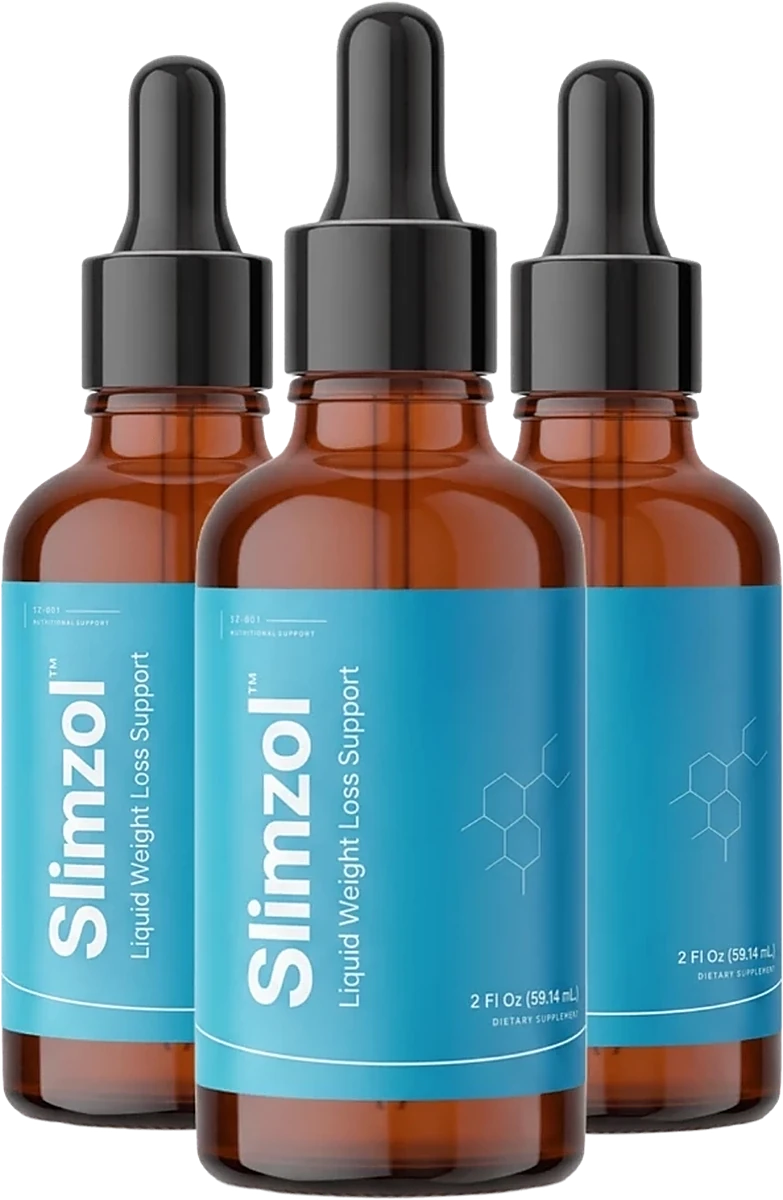
As stated by the brand, Slimzol is a natural product made in the USA in a GMP certified, FDA registered facility, positioned as a daily routine drop for everyday wellness and daily energy. It comes as a liquid in an amber glass dropper bottle, and each bottle is described as a 30-day supply.
Our ingredients page gives a compact view of the same list, and our how Slimzol works page covers the routine. Adults 18 and over are the intended users.
Packs come in 2, 3 and 6 bottles, with a 60-day money-back guarantee. See today's price on the pricing page. When the label reads the way you like, you are ready to choose your pack.